Laboratory Animal Medicine

for Next-Generation Disease Models

Guided by Animal Welfare

Laboratory Animal Medicine is a professional discipline that integrates veterinary medicine, pathology, animal welfare, disease modeling, experimental design, and specialized education. Its goal is to make animal-based research scientifically valid, reproducible, ethically responsible, and biologically meaningful. 

At SNU, our laboratory advances this discipline by developing next-generation disease models, standardizing necropsy and histopathological phenotyping, applying AI-assisted digital pathology, expanding organoid-based alternatives, and training professionals who can responsibly design, manage, and interpret animal studies.

Our mission is not simply to use animal models, but to make them scientifically stronger, ethically better, closer to real disease, and supported by rigorous professional training.

RESEARCH AREAS

To free animals from the suffering of disease, we paradoxically rely on animal models that develop corresponding illnesses. Yet today’s animal models face clear limitations. They often respond differently from real diseases, fail to capture the diversity and heterogeneity of clinical conditions, and react too slowly to dynamic medical challenges such as emerging infectious threats. At the same time, the ethical issues surrounding animal use are gaining increasing attention. At the Laboratory of Laboratory Animal Medicine (LAM) at Seoul National University, we embrace this irony and confront these challenges with a clear mission. 

To make disease models closer to real conditions and more ethical in their use:

Next-Generation Disease Modeling & Phenotyping

Using advanced genetic engineering, organoids, and histopathology-based phenotyping, we develop precision and rapid-response models that can quickly reflect diverse patient genotypes and real-world disease dynamics. Our goal is to define how disease emerges, progresses, and responds to intervention in biologically relevant systems.

Ethical and Alternative Approaches

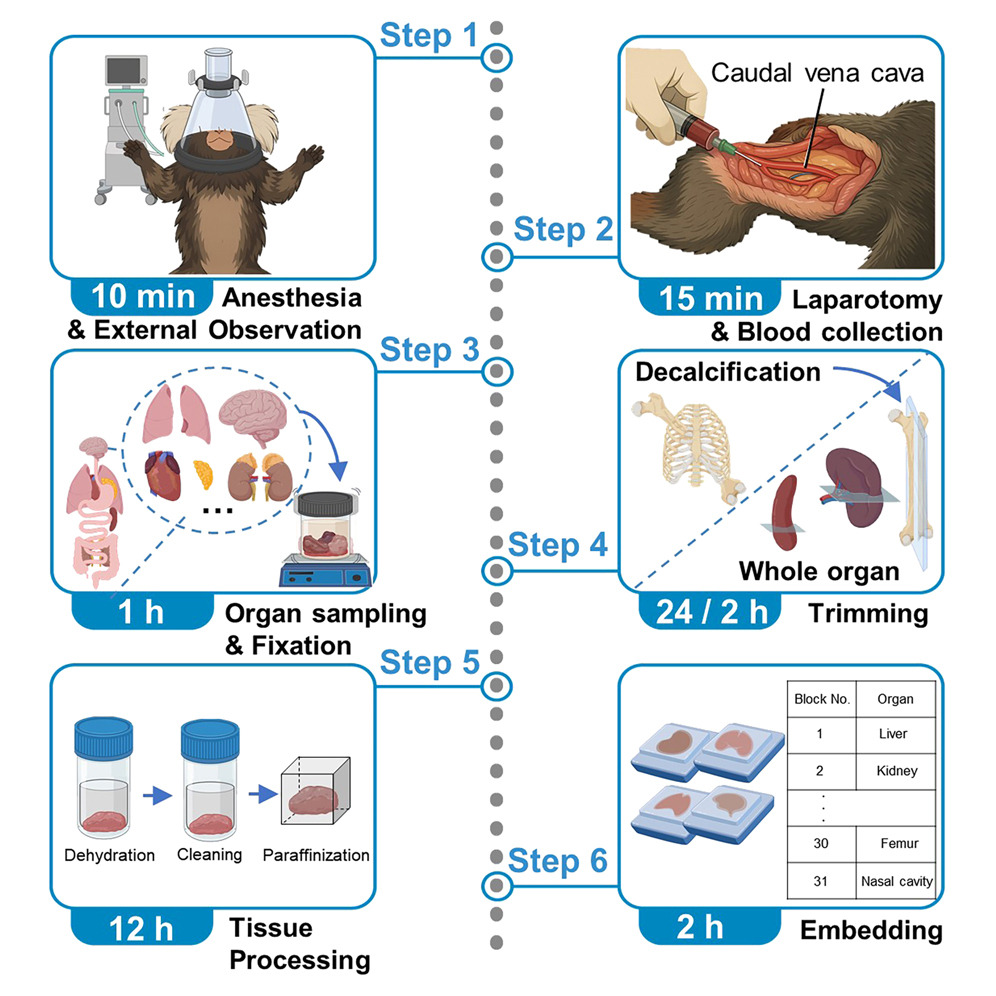
We combine organoid-based replacement models with standardized whole-organ necropsy and histopathology-based phenotyping, supported by AI-assisted pathology, to maximize data yield per animal and implement the 3R principles: Replacement, Reduction, and Refinement

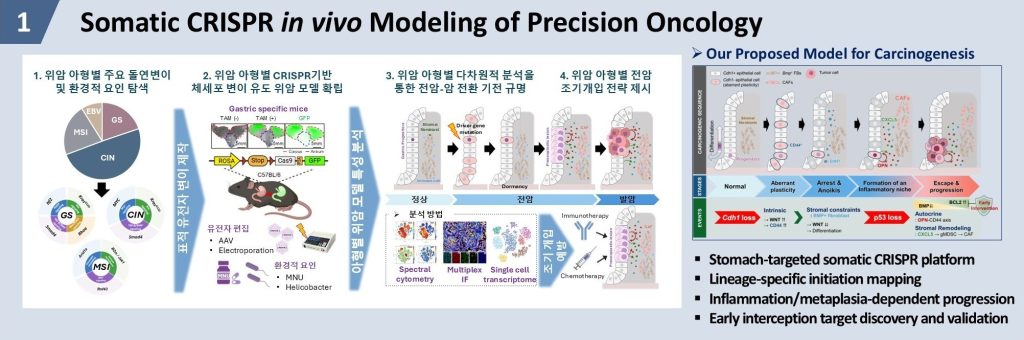
Research I

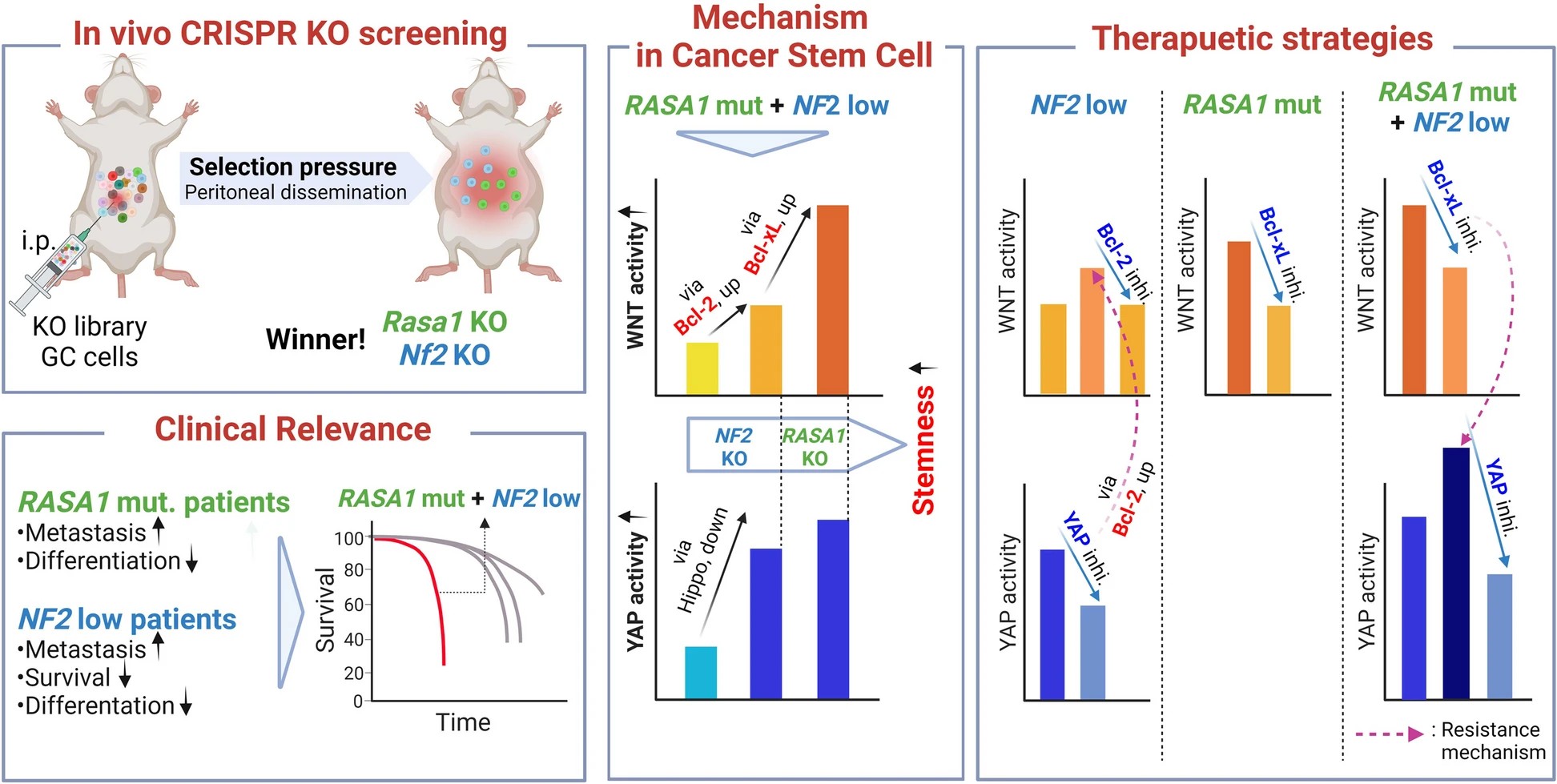
Somatic CRISPR Modeling of Precision Oncology

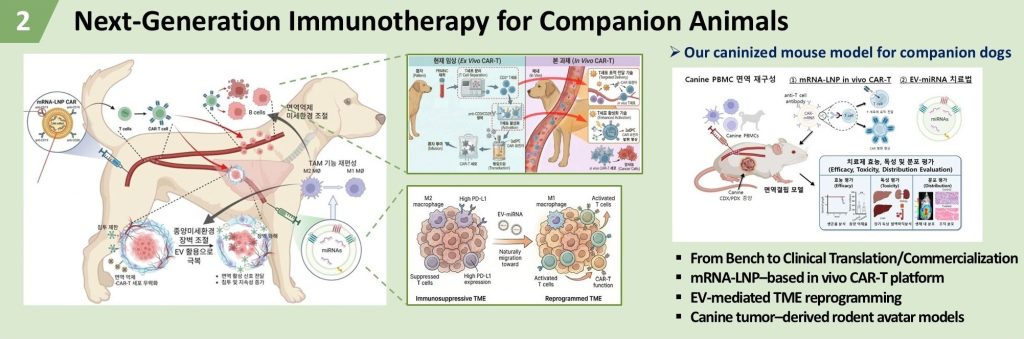
ResearchⅡ

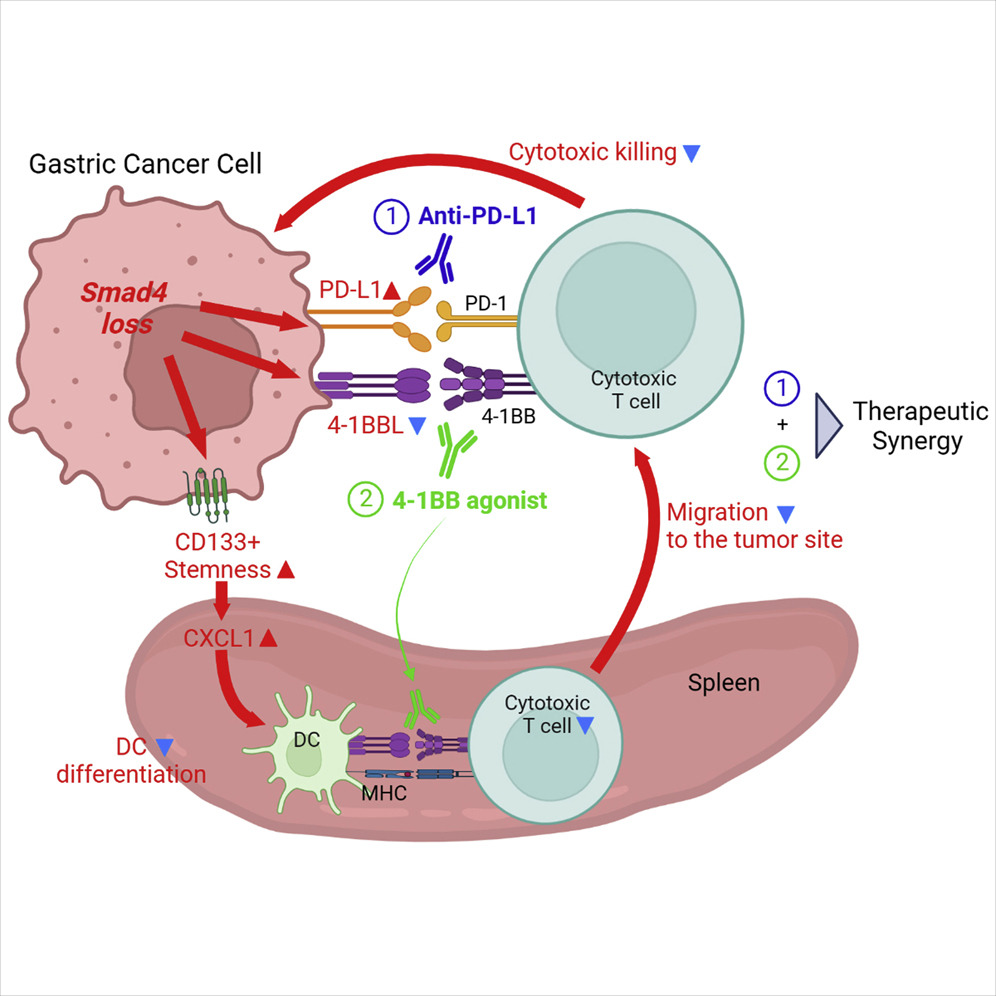
Next-Generation Immunotherapy for Companion Animals

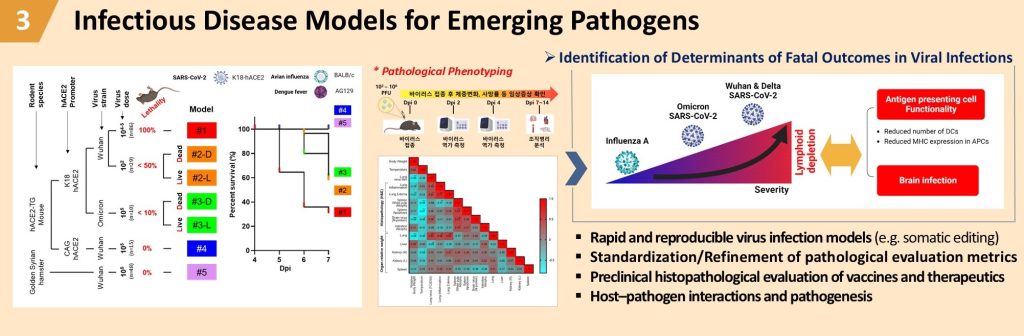
Research

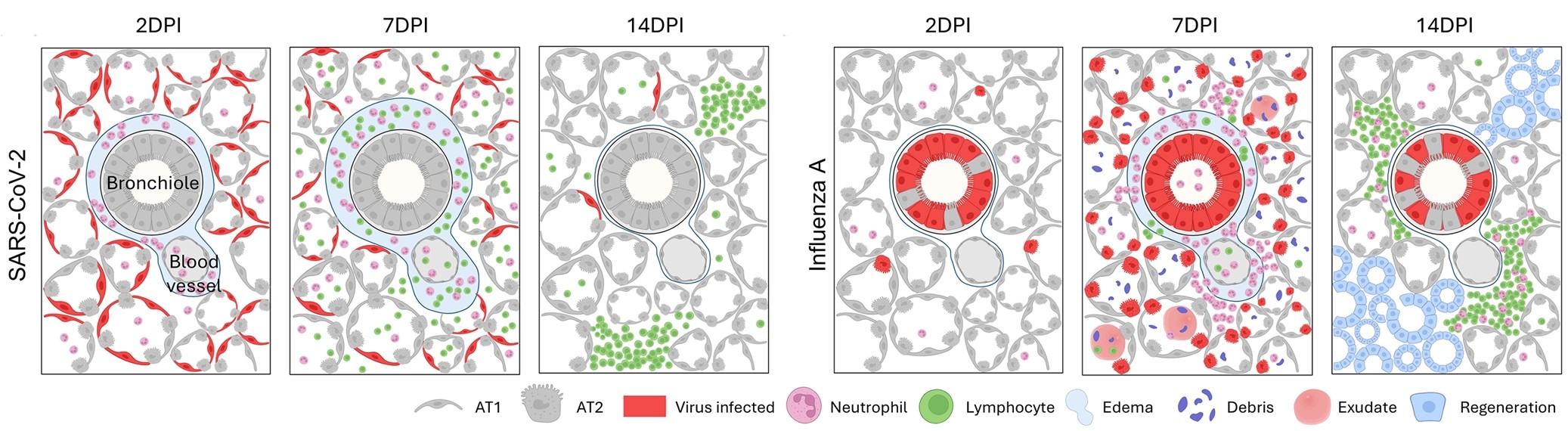
Infectious Disease Preclinical Models for Emerging Pathogens

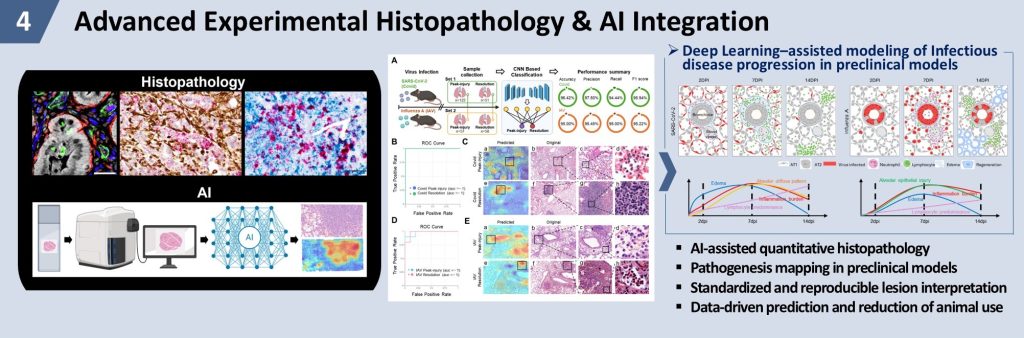
Research Ⅳ

Advanced Experimental Histopathology & AI Integration

TRAINING

Veterinarian (DKCLAM) / Non-Veterinarian Track

조직병리 - 슬라이드 판독 - 실험동물기반/전임상

Mouse Models · Organoids · NGS · Multiplex IF

Contact Us

Our Address

1 Gwanak-ro, Gwanak-gu, Seoul 08826, Korea (732, Building 85, College of Veterinary Medicine, Seoul National University)

Email

labanimal@snu.ac.kr

Contact

+82-02-880-1256