To free all living beings from the suffering of disease, we must, paradoxically, rely on animal models that develop corresponding illnesses. Yet today’s animal models face clear limitations. They often respond differently from real diseases, fail to capture the diversity and heterogeneity of clinical conditions, and react too slowly to dynamic medical challenges such as emerging infectious threats or pandemics. At the same time, the ethical issues surrounding animal use are gaining increasing attention. At the Laboratory of Laboratory Animal Medicine (LAM) at Seoul National University, we embrace this irony and confront these challenges with a clear mission.
To make disease models closer to real conditions and more ethical in their use:
Next-Generation Animal Modeling & Phenotyping
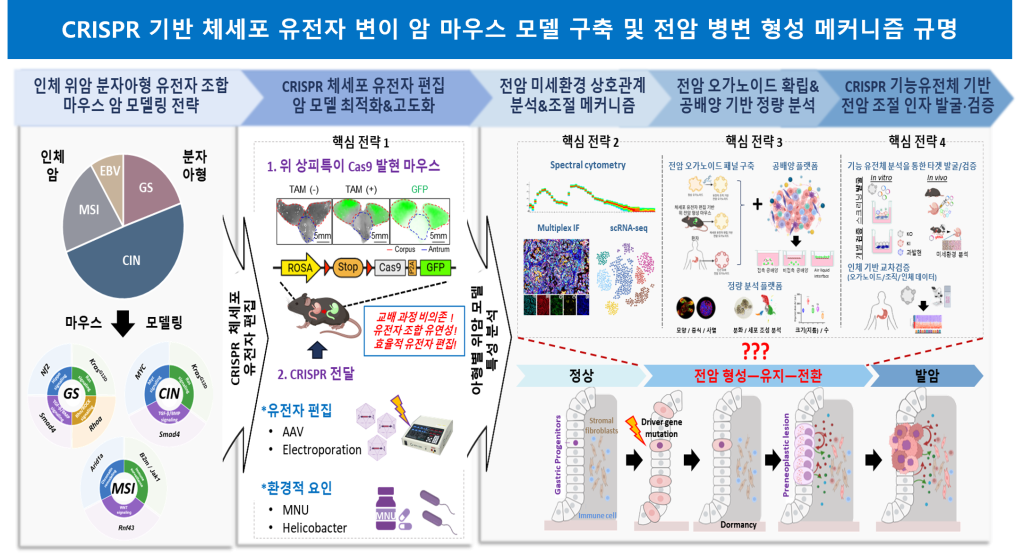
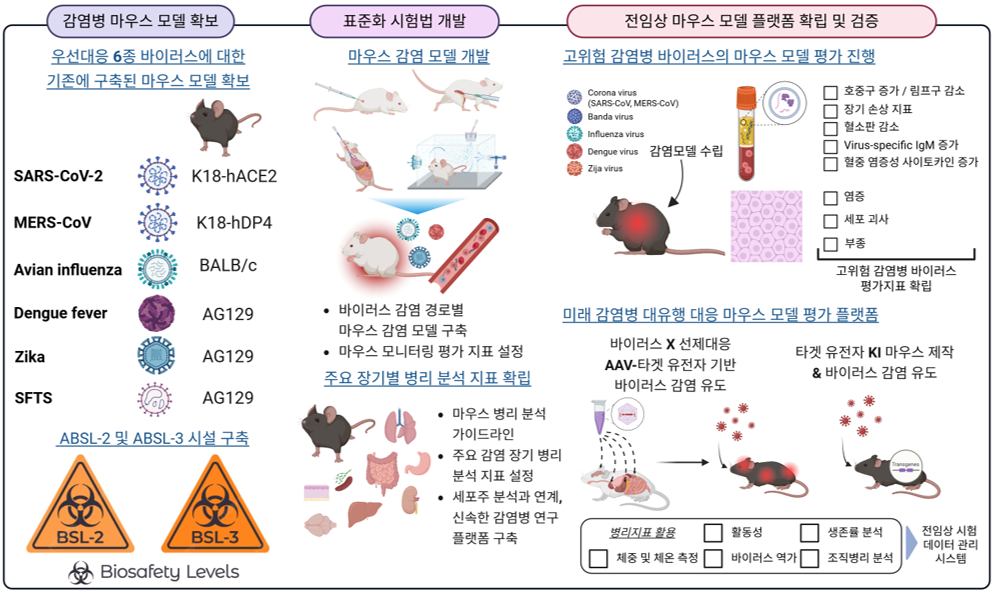
Using advanced gene-editing technologies such as CRISPR, combined with advanced histopathology-based phenotyping, we develop precision, somatic, and rapid-response models that can quickly reflect diverse patient genotypes and real-world disease dynamics.
Ethical and Alternative Approaches
We combine organoid-based replacement models with standardized whole-organ necropsy and histopathology-based phenotyping, supported by AI-assisted pathology, to maximize data yield per animal and implement the 3R principles: Replacement, Reduction, and Refinement